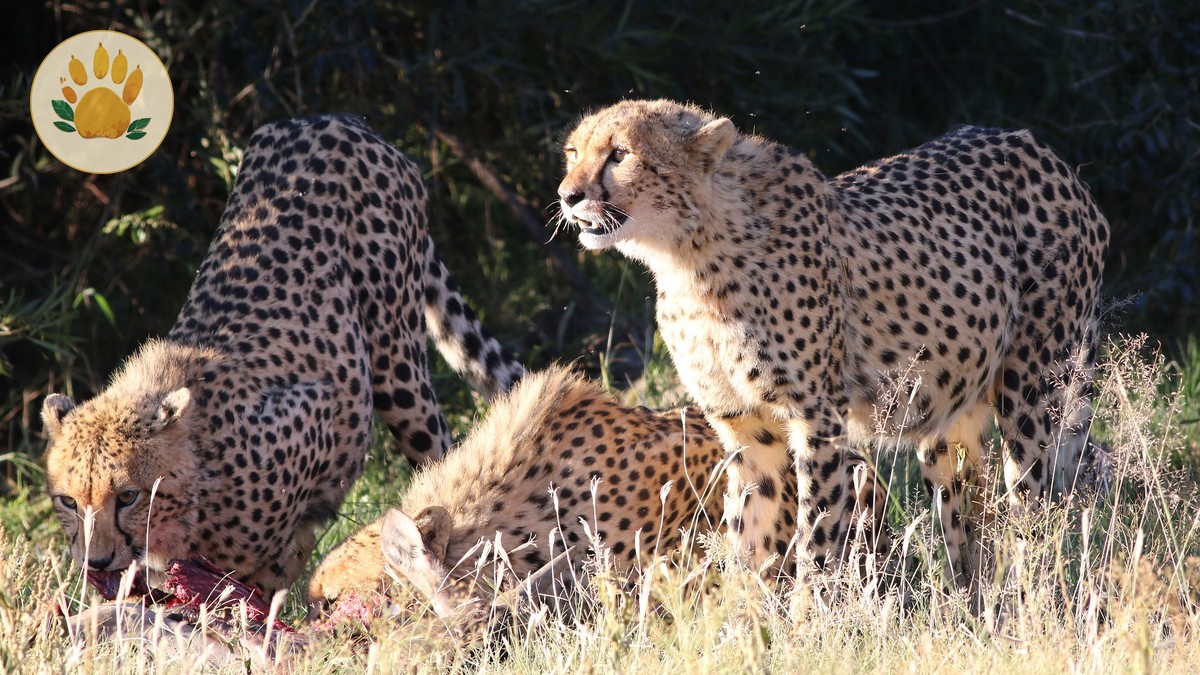
Kenya holds one of the largest remaining cheetah populations in Africa. This guide covers cheetah spotting best locations in Kenya, from national reserves to private conservancies. Estimates for the whole country range from roughly 800 to 1,200 individuals, a figure conservation groups treat as indicative rather than a precise census. Open grassland, scattered termite mounds for lookout points, and healthy gazelle and impala numbers make the southern and central rangelands some of the most reliable places on the continent to watch a cheetah hunt.
For a photographer, that reliability matters more than raw numbers. A cheetah on open plains at dawn, with low light and a clean background, is a different assignment than a leopard threading through riverine bush at dusk. This guide breaks down where those open-plains conditions hold up best, what each park actually costs, and where the trade-offs between access and crowding are honest rather than glossed over.
Why Kenya Works for Cheetah Photography
Cheetahs hunt by sight, in daylight, on flat or gently rolling ground. That single fact explains why certain Kenyan landscapes outperform others. The Maasai Mara ecosystem, Amboseli’s dry lake bed, and Ol Pejeta’s ranchland all share short grass and wide sightlines. Densely wooded parks like Aberdare rarely feature on a cheetah shortlist for that reason.
| Park or Conservancy | Distance from Nairobi | Drive Time | Non-Resident Entry Fee | Cheetah Sighting Odds |
|---|---|---|---|---|
| Maasai Mara National Reserve | 270 km | 5-6 hrs (or 45-min flight) | USD 100/day (Jan-Jun), USD 200/day (Jul-Dec) | High, but vehicle numbers vary by area |
| Mara North / Naboisho Conservancies | 280 km | 5-6 hrs plus transfer | USD 80-150/night, bundled into lodge rates | High, with strict vehicle caps |
| Amboseli National Park | 240 km | 4 hrs | USD 90/day | Moderate to high, best on the dry lake bed |
| Ol Pejeta Conservancy | 200 km | 3-4 hrs | Indicative USD 90-100/day | Moderate, plains areas only |
| Samburu National Reserve | 325 km | 5-6 hrs | Indicative USD 70-90/day (county-run) | Moderate |
| Tsavo East National Park | 330 km | 4-5 hrs | USD 80/day | Low to moderate, dense bush limits visibility |
| Nairobi National Park | 10 km | 20-30 min | USD 80/day | Moderate, surprising for a city-edge park |
| Lake Nakuru National Park | 160 km | 2.5-3 hrs | USD 90/day | Low, better known for rhino and flamingo |
For a fuller breakdown of what each park charges and why, see SafariPure’s guide to current Kenya national park entry fees.
Cheetah Spotting: Best Locations in Kenya, Park by Park
Maasai Mara conservancies. The Mara ecosystem is the single most consistent cheetah destination in Kenya. Inside the national reserve itself, sightings cluster around the open plains near Ol Kiombo and the Mara Triangle. In the private conservancies, Naboisho and Mara North, guides track resident cheetah families across seasons and know individual cats by name.
Amboseli. The dry lake bed south of Observation Hill gives cheetahs and photographers the same advantage, a flat horizon with Mount Kilimanjaro behind. Sightings are less frequent than in the Mara but the setting is hard to beat. SafariPure’s Amboseli safari itinerary pairs the park with nearby Chyulu Hills for travelers who want both landscapes in one trip.
Ol Pejeta. This Laikipia conservancy combines cheetah, rhino, and lion in a fenced, well-managed area north of Mount Kenya. Vehicle density stays low compared with the Mara. Read SafariPure’s Ol Pejeta Conservancy guide for lodge options and rhino-tracking add-ons.
Samburu. North of the equator, Samburu’s semi-arid terrain along the Ewaso Nyiro River holds a smaller but resident cheetah population. Fewer vehicles compete for sightings here than in the Mara.
Tsavo East. Vast and lightly visited, Tsavo East has cheetahs but denser bush in places, which lowers the odds compared with true open plains.
Nairobi National Park. An unlikely entry given its location minutes from the city, but its short grass plains hold resident cheetahs and a morning game drive before a flight out is a realistic option.
Lake Nakuru. Worth visiting for rhino and birdlife, but not a primary cheetah destination given denser woodland cover.
Best Time of Year and Time of Day
Peak cheetah viewing runs June through October and again December through February, when grass is shorter after the dry seasons and prey concentrates near water. Cheetahs hunt in cool light, so early morning between 6:30 and 9:00 a.m. and late afternoon from 4:00 to 6:30 p.m. produce the most activity and the best light for photographs. Midday heat pushes them into shade, where they rest and are harder to find.
Where to Stay
Camps set inside or bordering conservancies put you closer to cheetah territory and cut early-morning drive time. In the Mara ecosystem, camps in Naboisho and Mara North charge USD 80-150 per person per night on top of accommodation, bundled into most package rates. In Amboseli, lodges near the park’s Kimana or Meshanani gates offer the shortest run to the lake bed at first light. Around Ol Pejeta, tented camps near the Nanyuki gate keep guests within a short drive of the main cheetah plains.
Tips to Improve Your Odds
Sightings depend on more than luck. A guide who tracks individual cheetahs day to day, radios sightings between vehicles, and reads fresh tracks matters more than the park you choose. Book at least two to three game drives per location rather than one, since cheetahs move across large territories and a single outing can miss them entirely. Ask your guide about recent litters, since females with cubs tend to stay in a smaller, more predictable range.
Conservancy vs Public Reserve: The Honest Trade-Off
This is where most guides oversimplify. The Maasai Mara National Reserve has the highest cheetah density in the ecosystem, but popular sightings can draw ten or more vehicles at once, especially near a kill. Private conservancies like Naboisho and Mara North cap vehicle numbers per sighting, often at three to five, and restrict off-road driving to licensed guides only. The trade-off is cost. Conservancy fees add USD 80-150 per person per night on top of the reserve’s own charges. For a photographer who needs a clean frame without other vehicles in it, that premium is usually worth paying. For a first safari focused on volume of sightings over image quality, the public reserve still delivers.
Responsible Viewing
Cheetahs are diurnal hunters and heat stress from vehicle crowding can cut short a hunt or push a cat off a fresh kill before it has fed. Guides in well-run conservancies keep to two vehicles per sighting and a respectful distance, generally 20 to 30 meters. Choosing operators who follow these limits protects both the animals and the quality of your photographs.
Sample Itinerary
A seven-day cheetah-focused trip might run: two nights in Nairobi National Park’s vicinity for an easy first drive, three nights in Naboisho or Mara North Conservancy for concentrated cheetah tracking, and two nights in Amboseli for open lake-bed light against Kilimanjaro. This route balances drive time, cost, and sighting variety without excessive road transfers.
Visa and Booking Logistics
Most nationalities need an eTA (Electronic Travel Authorization) to enter Kenya, applied for online before departure. Processing typically takes a few days, so apply at least two weeks ahead. Domestic flights between Nairobi, the Mara, and Amboseli cut travel time significantly compared with road transfers and are worth the added cost on a short trip.
The SafariPure Difference
SafariPure builds itineraries around how animals actually behave, not just which park sounds impressive. For cheetah-focused trips, that means matching camps to conservancies with strict vehicle limits, scheduling drives around the cool-light hours when cheetahs hunt, and being upfront when a location’s odds are moderate rather than guaranteed. Every fee and distance in this guide reflects current, verified figures, updated as Kenya Wildlife Service and county authorities adjust their rates.
FAQ
Where is the best place to see cheetahs in Kenya? The Maasai Mara ecosystem, particularly the Naboisho and Mara North conservancies, offers the most consistent sightings.
What is the best time of year to see cheetahs in Kenya? June through October and December through February, when grass is short and prey gathers near water.
How many cheetahs are left in Kenya? Estimates range roughly from 800 to 1,200, treated as indicative rather than exact.
Can you see cheetahs in the Maasai Mara? Yes, both the national reserve and its bordering conservancies hold resident cheetah populations.
Is Amboseli good for cheetah sightings? Sightings are less frequent than the Mara but the open lake bed and Kilimanjaro backdrop make it worthwhile.
How much does a cheetah-focused Kenya safari cost? Expect USD 400-700 per person per night all-in for a conservancy-based trip, depending on camp and season.
What time of day are cheetahs most active? Early morning and late afternoon, avoiding the heat of midday.
Are cheetahs easy to spot, or is it luck? Guide experience and multiple drives matter more than luck, though no sighting is ever guaranteed.
What’s the difference between spotting a cheetah and a leopard? Cheetahs hunt by day on open ground, while leopards are largely nocturnal and prefer cover, making them harder to photograph.
Do private conservancies really offer better sightings than the main reserve? They offer fewer vehicles per sighting and stricter driving rules, though not necessarily more cheetahs overall.
Are cheetahs dangerous to safari vehicles or guests? No. Cheetahs avoid confrontation with vehicles and pose no threat when guests stay inside them.
Plan Your Cheetah Safari
If open plains, cool morning light, and a guide who knows individual cheetahs sound like your kind of trip, SafariPure can build it around your dates and budget. Visit our tours page or get in touch to start planning.